FROM B’YACHAD MAGAZINE
Creating a Positive Future for Israel’s South
Dispatches from Israel
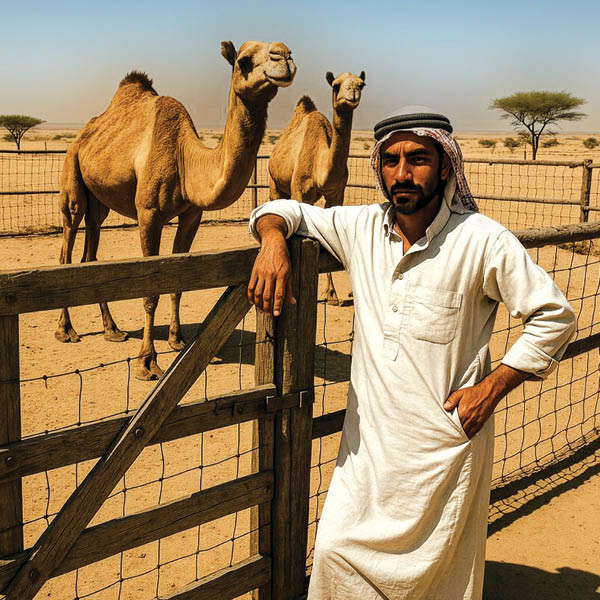
The Negev Desert’s beauty lies in its silence, vast views, and rich history. In the Bedouin village of Hura, history comes alive through an innovative project by Jewish National Fund-USA, focusing on sustainability, tradition, community, coexistence, and economic development.
Launched in 2009 and visited by 8,000 people annually, the project named Wadi Attir revives Bedouin traditions, fosters cultural exchange and provides an economic boost for the people of Israel's South. It highlights sustainable practices, such as raising over 600 sheep and goats, using every part responsibly for milk, cheese, meat, and wool.
Bedouins historically carry dairy across the desert without refrigeration and use herbal medicines passed down through generations—practices that are shared with visitors to the project.
On-site, Bedouin women craft cheeses like jibneh and labneh, while a nearby garden grows 26 medicinal plants used for teas, cosmetics, and soaps.
The Bedouin community, nearly a third of the Negev’s population and growing, benefits from this cultural preservation, regional bridge-building, while driving economic prosperity for people throughout the region.
 Back
Back