
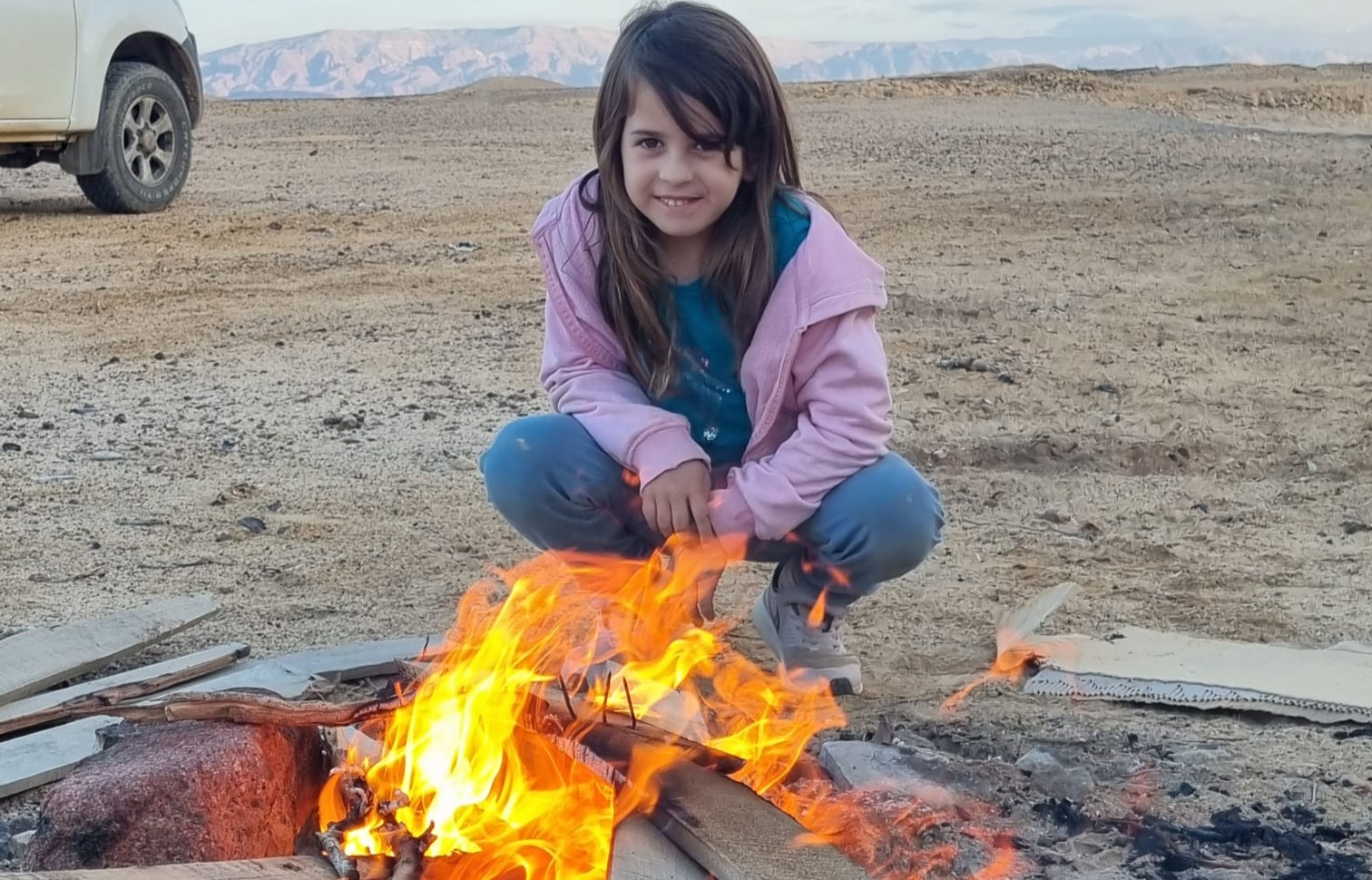
In Israel’s South, the day begins slowly and silently, which is how people like it.
Some parents start their cars and prepare for an hours-long commute into Israel’s bustling, yet overpopulated center. Others drop their children off at the regional school before hopping over to the local medical center, agricultural lab, or dance studio to work.
With the end of the workday comes time for errands. Get groceries at the community grocery store. Drop the kids off at swim meets, soccer practice, or therapy. Can’t make it on time for pick-up? No problem. The kids can take the community-funded bus from school.
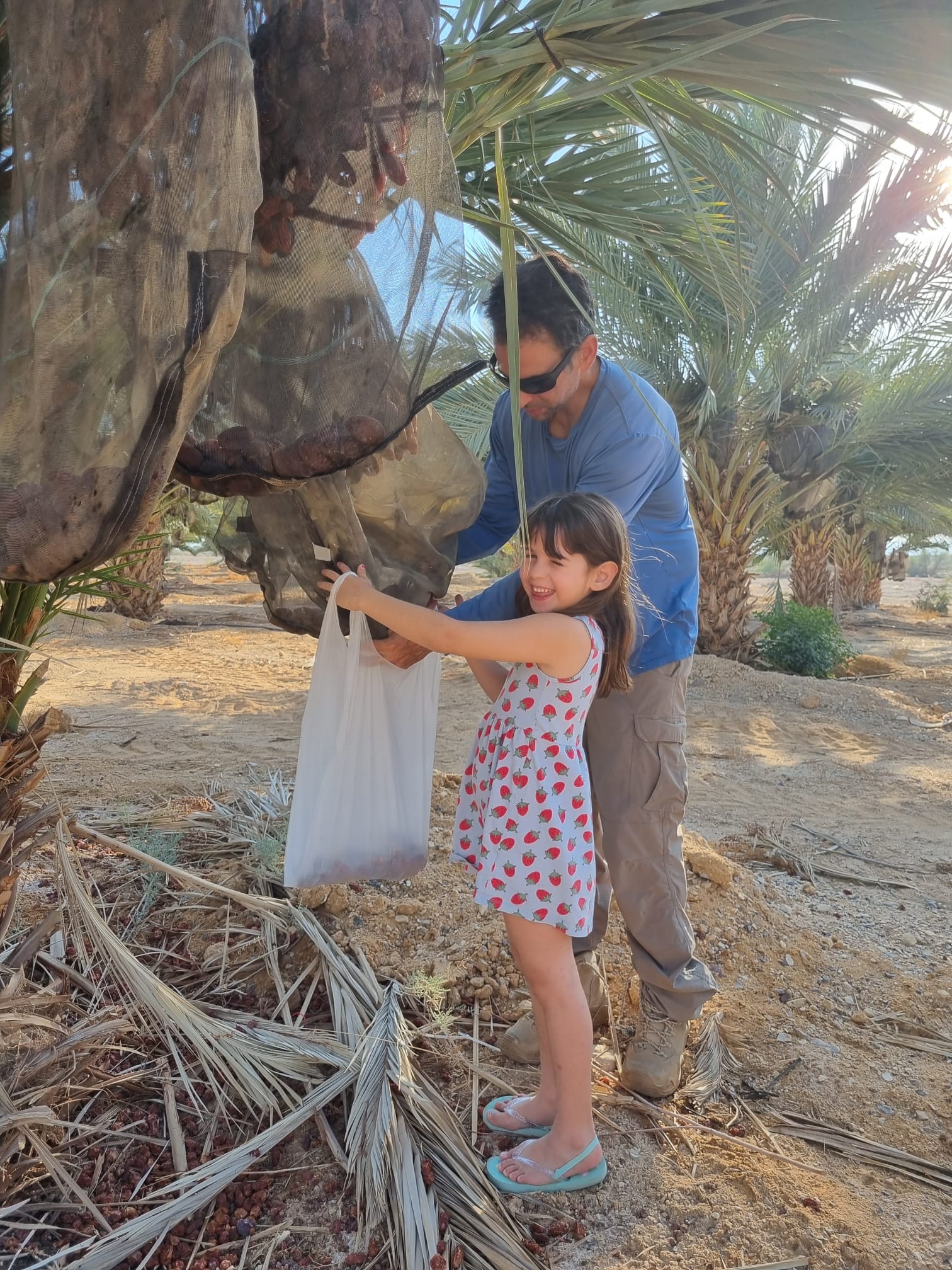
As the desert sun sets and cars from the city stream in, families reunite. Barefooted toddlers who’ve spent the past few hours running around between neighborhoods are called home. The air is still quiet as they enjoy a meal, get ready for bed, and get ready to do it again tomorrow.
This is a typical life in my home, here in this beautiful region of Israel’s South, known as the Arava. And it is Israel’s future.
The Arava makes up a vast stretch of Israel’s land, but relatively few Israelis call it home. Yet more and more families are choosing this life, and every family that moves here strengthens the entire country.
Israel’s South is one of the most exciting places to be. It is where communities are growing, innovation is taking root, and new opportunities are being created. The future of the Jewish homeland is being built here—and with every new family, business, and investment, Israel grows stronger.
Of course, they cannot move to the desert on possibility alone. They need a home. They need a good school for their children, a doctor nearby when someone gets sick, meaningful work, and the security of knowing the community around them can support their family.
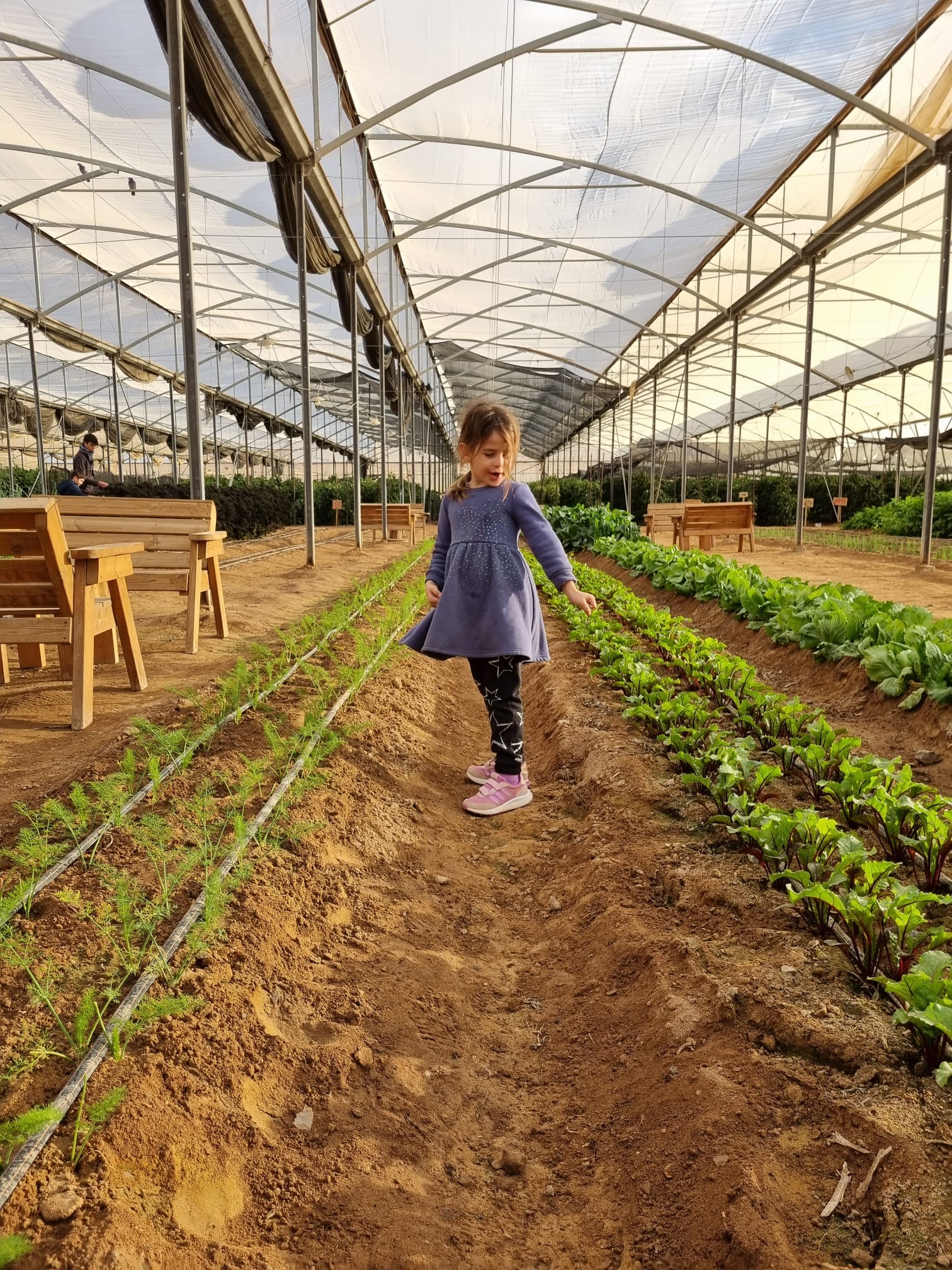
For years, Jewish National Fund-USA has worked alongside communities throughout the Arava to make that life possible. They prepare infrastructure for new residential housing sites so families have somewhere to build. They support regional medical centers, bringing 24/7 care closer to home in a place where the nearest hospital is nearly two hours away. They build facilities where our children practice and compete, while investing in employment and business infrastructure that gives people more opportunities to build careers here.
And they are coming. In the Central Arava, thanks to Jewish National Fund-USA's Housing Development Fund, 315 residential lots have already been developed as communities make room for new neighbors. In the Southern Arava, the population has grown from 3,386 residents in 2015 to approximately 5,700 today—a 68% increase in just 11 years—with a goal of reaching 8,000 residents by 2030.
Demographic growth isn’t just about numbers. You see it in the mothers, fathers, children, grandparents, farmers, doctors, teachers, and entrepreneurs who are choosing to build their lives here. It is another house with lights on at night. Another classroom filled with children. Another farmer works on the land. Another family is sitting around the dinner table as the desert sun disappears outside their window.
There is an expression we have used since the founding of our country: turning the desert green. Personally, I like the desert just as it is. And, as it turns out, a lot of other people do too.
Because the story of the Arava isn’t about changing the desert. It is about making it possible for more Israelis to call it home. One road. One school. One clinic. One home. One family at a time. And every evening, when a few more lights come on across the desert, Israel’s future gets a little brighter.